


Planning Temporary Structures for Large-Scale Construction Projects
- Rahman Iqbal
- Feb 16
- 5 min read

Large-scale construction projects are complex ecosystems where every phase must align perfectly to ensure timely delivery, cost efficiency, and worker safety. From high-rise towers and industrial plants to infrastructure megaprojects, the success of these developments heavily depends on strategic temporary structures planning. These structures though not permanent serve as the backbone of construction operations, enabling safe access, material handling, structural support, and workflow continuity. Without careful preparation and coordination, even minor miscalculations in temporary works can lead to delays, safety risks, and budget overruns.
In today’s fast-evolving construction landscape, technology plays a major role in streamlining processes. Tools such as Scaffolding software in Saudi Arabia are transforming how contractors manage scaffolding layouts, load calculations, inspections, and resource allocation. With digital integration, project managers gain better visibility, real-time data tracking, and enhanced compliance monitoring. This modern approach ensures that Temporary structures planning is not just reactive but proactive driven by data, safety standards, and long-term efficiency goals. Let’s explore how effective planning of temporary structures can elevate large-scale construction projects to new levels of precision and performance.
Understanding Temporary Structures in Construction
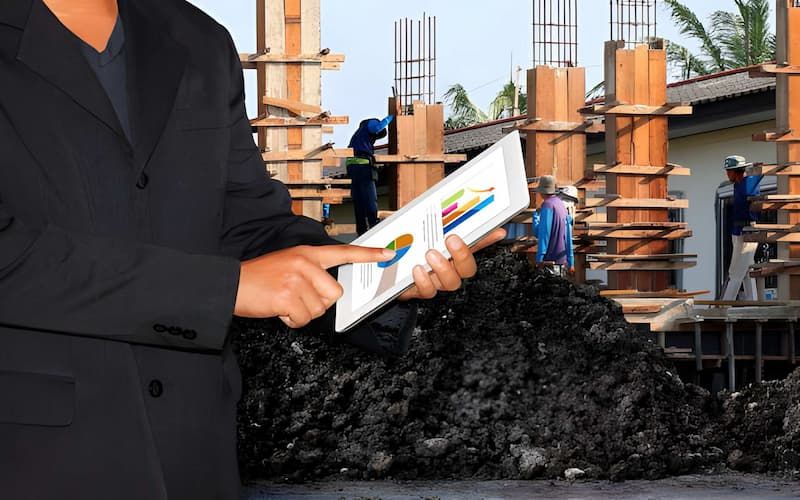
Temporary structures are short-term systems installed to support construction activities but are removed once the permanent structure is completed. These include:
Scaffolding systems
Formwork and falsework
Shoring and bracing systems
Temporary access roads and walkways
Site offices and storage units
Safety barriers and protective covers
While these components are not part of the finished building, they are essential for enabling safe and efficient work processes. Proper Temporary structures planning ensures that these systems are designed to handle required loads, environmental conditions, and site-specific challenges.
Why Temporary Structures Planning is Critical in Large-Scale Projects
In mega construction projects, risks multiply due to scale, workforce size, equipment usage, and environmental exposure. Without structured planning, temporary installations may become weak links in the project chain.
1. Ensures Worker Safety
Temporary works directly affect worker safety. Poorly designed scaffolding, unstable formwork, or improper bracing can lead to severe accidents. Detailed planning guarantees:
Accurate load calculations
Proper anchoring systems
Safe access points
Compliance with safety standards
2. Supports Structural Integrity During Construction
Before a building reaches full structural strength, temporary supports bear significant loads. Shoring and falsework must be engineered precisely to prevent collapse or deformation.
3. Prevents Project Delays
If temporary structures fail or require redesign mid-project, construction timelines suffer. Strategic Temporary structures planning helps avoid rework, saving time and resources.
4. Controls Budget and Resource Allocation
Efficient planning reduces material waste, avoids duplication, and optimizes labor deployment. It also enables better scheduling of assembly and dismantling phases.
Key Components of Effective Temporary Structures Planning
To achieve optimal results, planning must follow a structured approach.
1. Early Integration in Project Design
Temporary works should be considered during the project’s initial design phase not after construction begins. Collaboration between engineers, architects, and contractors ensures compatibility with permanent structures.
2. Load Analysis and Engineering Calculations
Engineers must evaluate:
Dead loads and live loads
Wind forces and environmental pressures
Equipment and material loads
Worker movement patterns
Accurate calculations reduce risk and improve structural reliability.
3. Site-Specific Assessment
Each construction site presents unique challenges such as soil conditions, weather exposure, or spatial constraints. A detailed site survey informs better decision-making during Temporary structures planning.
4. Modular and Scalable Systems
Using modular systems allows flexibility as projects progress. Adjustable scaffolding and reusable formwork systems enhance efficiency and sustainability.
Types of Temporary Structures in Large-Scale Projects
Scaffolding Systems
Scaffolding provides safe working platforms at height. It must be:
Properly anchored
Load-tested
Regularly inspected
Digital planning tools improve layout accuracy and tracking.
Formwork and Falsework
Concrete structures require molds and support until curing is complete. High-rise and bridge projects demand highly engineered formwork solutions to handle heavy loads.
Shoring and Excavation Supports
During excavation, soil instability poses risks. Shoring systems prevent collapses and protect workers.
Temporary Access and Logistics Platforms
Large projects require organized material movement. Temporary roads and elevated platforms enhance operational flow.
Leveraging Technology in Temporary Structures Planning
Modern construction demands digital precision. Advanced tools and software systems allow:
3D modeling of temporary installations
Real-time resource tracking
Inspection scheduling
Compliance monitoring
By integrating digital solutions, companies enhance transparency and reduce manual errors. This is particularly beneficial in regions with rapid infrastructure growth, where efficient scaffolding management plays a vital role in project success.
Safety Standards and Compliance
Compliance with local and international regulations is mandatory. Planning teams must ensure:
Regular inspection protocols
Certified materials usage
Worker training programs
Documented safety approvals
Routine audits and safety briefings reduce accident risks and maintain operational continuity.
Cost Optimization Strategies
Large-scale projects operate under tight financial controls. Smart planning helps minimize unnecessary expenditures.
Material Reusability
Choosing reusable scaffolding and modular components reduces procurement costs.
Efficient Scheduling
Aligning installation and dismantling timelines prevents idle equipment and labor costs.
Vendor Coordination
Strategic supplier partnerships ensure timely delivery and competitive pricing.
Proper Temporary structures planning also prevents expensive redesigns or emergency repairs, protecting project profitability.
Sustainability in Temporary Construction Works
Sustainability is becoming central to construction planning. Even temporary works must consider environmental impact.
Use recyclable materials
Minimize waste generation
Optimize transportation logistics
Reduce site disturbance
Green planning practices improve brand reputation and align with modern environmental standards.
Best Practices for Project Managers
To ensure smooth execution, project managers should:
Appoint a Temporary Works Coordinator (TWC)
Maintain detailed documentation
Conduct regular inspections
Use digital tracking tools
Train teams in safe assembly and dismantling
Strong leadership and structured oversight transform temporary systems into strategic project assets rather than liabilities.
Risk Management in Temporary Structures
Every temporary structure carries inherent risk. Effective mitigation strategies include:
Detailed risk assessments
Contingency planning
Emergency response protocols
Continuous monitoring
In high-rise or industrial projects, proactive risk management ensures uninterrupted workflow.
Future Trends in Temporary Structures Planning
The future of construction planning includes:
AI-powered predictive analysis
IoT-enabled structural monitoring
Digital twin simulations
Automated inspection systems
As technology evolves, planning processes will become more data-driven, accurate, and efficient.
Conclusion:
Large-scale construction projects demand precision at every stage, and temporary works are no exception. When executed strategically, Temporary structures planning enhances safety, improves workflow efficiency, and safeguards project budgets. From scaffolding and formwork to shoring and logistics platforms, these systems form the operational backbone of construction activities. Proper engineering calculations, site assessments, compliance measures, and digital integration ensure that temporary installations remain strong, stable, and reliable throughout the project lifecycle.
In an era where construction projects are growing more ambitious and complex, investing in structured Temporary structures planning is no longer optional it is essential. With the right blend of engineering expertise, safety compliance, technological innovation, and proactive management, contractors can transform temporary works into powerful enablers of project success. By prioritizing planning, coordination, and continuous improvement, large-scale construction ventures can achieve higher productivity, enhanced safety standards, and sustainable growth in an increasingly competitive industry.


Comments