


How Invoicing Data Can Help Businesses Forecast Better
- Rahman Iqbal
- Jan 31
- 4 min read

In today’s data-driven economy, businesses can no longer rely on assumptions or gut instinct when planning for the future. Accurate forecasting has become essential for maintaining cash flow stability, managing growth, and responding to market changes with confidence. One of the most underutilized yet powerful resources for this purpose is invoicing data forecasting. By analyzing invoice-related information such as payment timelines, customer behavior, and recurring revenue patterns, companies can create forecasts rooted in real financial activity rather than estimates.
Modern financial tools have made this process even more efficient. With the adoption of the best e invoicing software, businesses can automatically capture, organize, and analyze invoice data in real time. Platforms like Quickdice help transform raw invoicing information into meaningful financial insights, allowing organizations to forecast more accurately and plan strategically. When leveraged correctly, invoicing data becomes a critical asset for smarter decision-making and long-term sustainability.
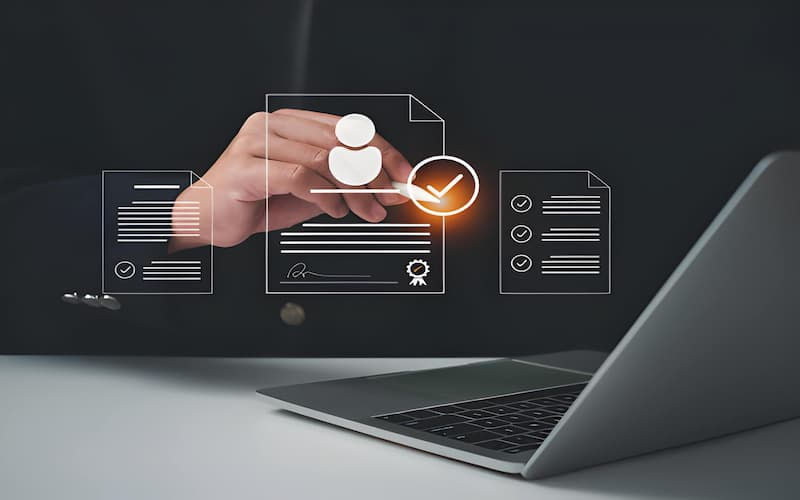
Understanding Invoicing Data in a Business Context
Invoicing data includes all transactional details generated during billing, such as invoice dates, due dates, amounts, taxes, discounts, customer profiles, and payment statuses. Unlike general accounting summaries, this data reflects actual financial interactions between a business and its customers.
Because invoices represent confirmed sales and expected cash inflows, they offer a reliable foundation for financial analysis. When businesses organize and analyze this data consistently, it becomes possible to identify trends that directly impact revenue and liquidity.
Why Forecasting Accuracy Matters More Than Ever
Accurate forecasting allows businesses to anticipate challenges and seize opportunities before they arise. Without reliable forecasts, companies may face cash shortages, overcommit resources, or miss growth windows.
Better forecasting helps businesses:
Maintain healthy cash flow
Plan hiring and expansion initiatives
Control operational expenses
Reduce financial risk
Strengthen investor and stakeholder confidence
This is where invoicing data forecasting plays a vital role, as it grounds predictions in real payment behavior rather than projections alone.
How Invoicing Data Improves Revenue Forecasting
One of the biggest advantages of using invoicing data is the ability to predict future revenue more realistically. By reviewing historical invoices, businesses can determine how much revenue is consistently generated over specific periods.
Recurring invoices, subscription payments, and repeat customers provide predictable income streams. By analyzing these patterns, organizations can estimate future earnings with greater confidence and prepare for seasonal fluctuations or demand shifts.
Enhancing Cash Flow Forecasts with Payment Behavior Insights
Sales do not guarantee immediate cash availability. Invoicing data reveals how long customers typically take to pay and which accounts frequently delay payments. This insight is crucial for forecasting cash flow accurately.
Using invoicing data forecasting, businesses can:
Estimate expected payment timelines
Identify overdue invoice trends
Prepare contingency plans for late payments
This ensures that financial planning is based on when money actually enters the business, not just when invoices are issued.
Identifying Seasonal and Market Trends
Over time, invoicing data reveals valuable patterns related to seasonality and market demand. Businesses can analyze invoice volume and revenue across months or quarters to identify peak and slow periods.
Recognizing these trends allows organizations to:
Adjust inventory and staffing levels
Time marketing campaigns effectively
Prepare for low-revenue periods
With these insights, forecasting becomes proactive rather than reactive.
Supporting Budgeting and Expense Planning
Revenue forecasting directly influences expense management. When businesses have a clear picture of expected income from invoices, they can budget more effectively for operational costs, marketing spend, and capital investments.
Invoicing data forecasting helps align expenses with actual earning potential, reducing the risk of overspending or underutilizing resources. This balance is critical for maintaining profitability and financial discipline.
Improving Customer Segmentation and Risk Assessment
Not all customers contribute equally to revenue stability. Invoicing data allows businesses to segment customers based on payment reliability, purchase frequency, and average invoice value.
By identifying high-risk accounts or inconsistent payers, companies can:
Adjust credit terms
Introduce advance payment policies
Prioritize reliable customers in forecasts
This targeted approach strengthens forecast accuracy and reduces financial uncertainty.
Enabling Data-Driven Strategic Decisions
When invoicing data is used consistently, it becomes a strategic asset. Leadership teams can rely on factual financial trends rather than assumptions when making decisions about expansion, pricing, or investments.
With invoicing data forecasting, businesses can confidently determine:
When to scale operations
Whether to enter new markets
How to price products or services sustainably
This level of clarity is essential for long-term growth.
Automation and Real-Time Forecast Adjustments
Manual data analysis often leads to outdated or inaccurate forecasts. Automated invoicing systems ensure data is updated in real time, allowing forecasts to evolve alongside business activity.
Automated invoicing platforms reduce human error, save time, and provide immediate visibility into financial performance. This makes forecasting a continuous process rather than a periodic task.
The Role of Invoicing Data in Business Resilience
Businesses that rely on accurate forecasts are better equipped to handle economic uncertainty. Invoicing data provides early warning signs of declining payments, reduced demand, or emerging cash flow risks.
By monitoring invoice trends closely, companies can respond quickly and adjust strategies before challenges escalate.
Conclusion:
Invoicing data is far more than a record-keeping function it is a powerful forecasting resource. When analyzed effectively, it provides deep insight into revenue patterns, cash flow timing, customer behavior, and financial risks. Businesses that embrace invoicing data forecasting gain a clearer understanding of their financial future and can plan with confidence instead of speculation.
As markets become increasingly competitive, the ability to forecast accurately can be the difference between growth and stagnation. By leveraging structured invoicing data and integrating it into financial planning processes, organizations position themselves for smarter decisions, improved stability, and sustainable success. Invoicing data forecasting is no longer optional it is essential for modern business planning.


Comments